
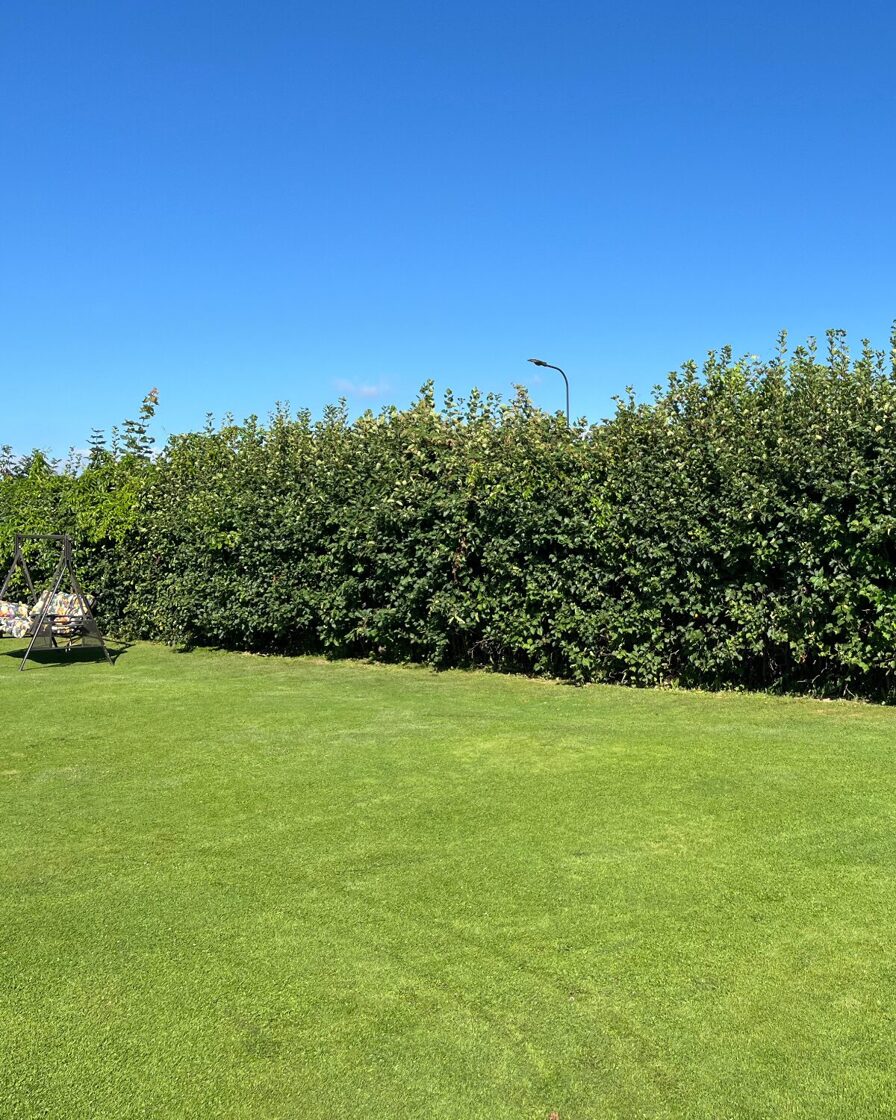
 Before
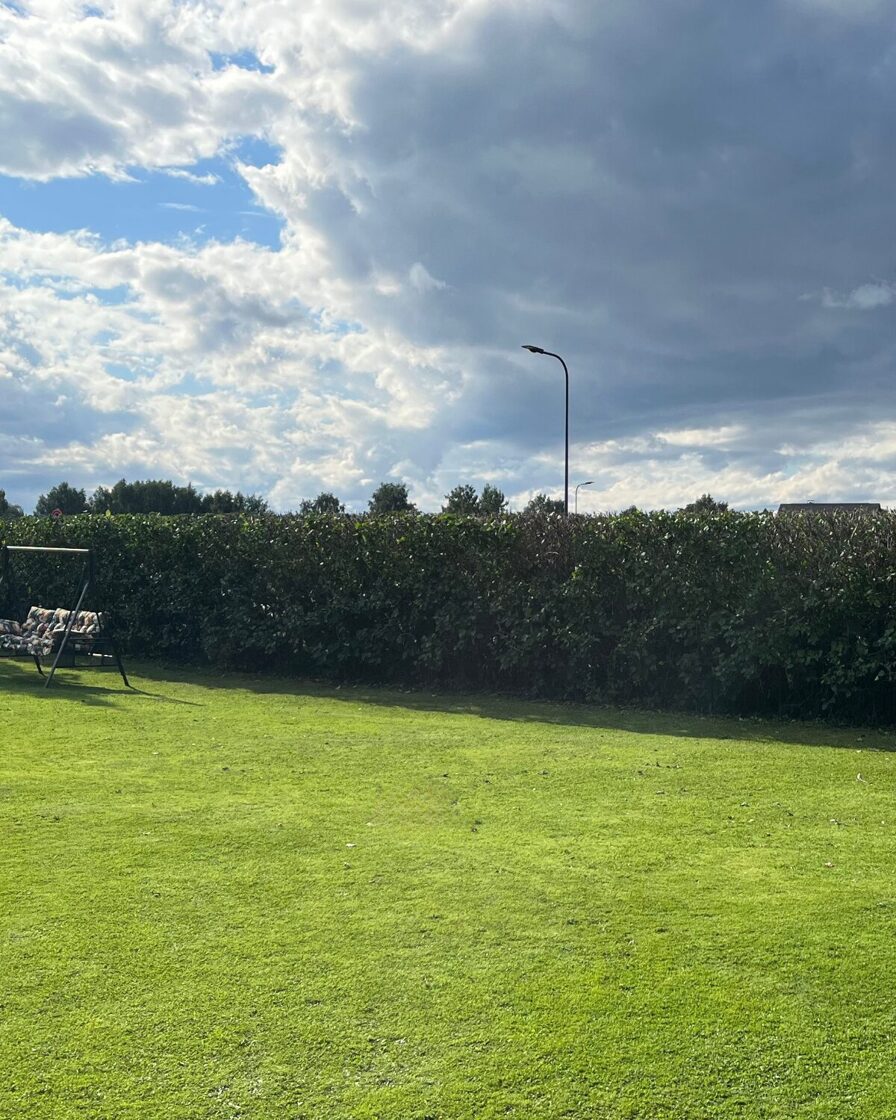 After
After
Adazi
Hawthorn hedge trimming
40 m long hedge, around 3 m high • top line levelled • front and side shaped • green waste collected
We create thuja hedges for private homes. We help you choose the right plants, arrange delivery and carry out the planting in Riga and surrounding areas.
Send us a photo, we’ll assess the work.
You know the price before we start.
We arrive at the agreed time.
We clean up and leave everything tidy.
Before
After
40 m long hedge, around 3 m high • top line levelled • front and side shaped • green waste collected
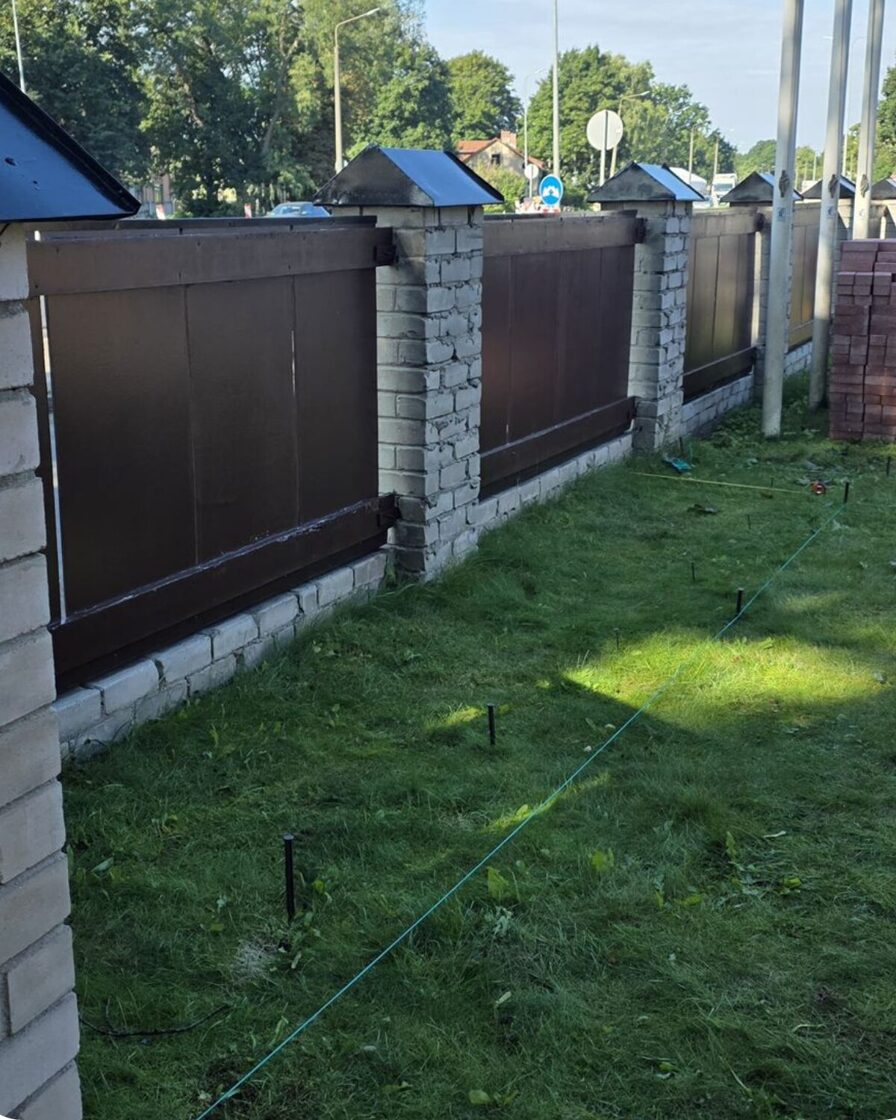 Before
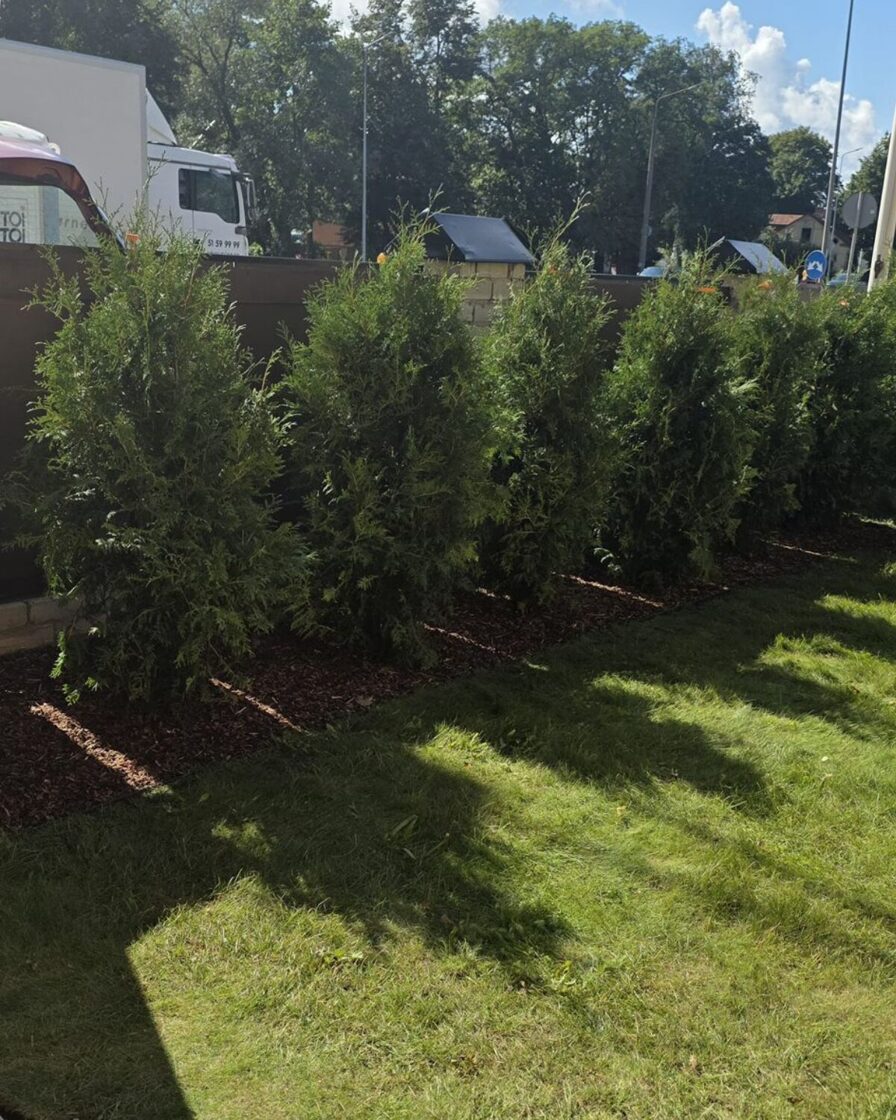 After
After
21 Brabant thujas, 1.6–1.8 m high • planting area prepared • straight hedge planted
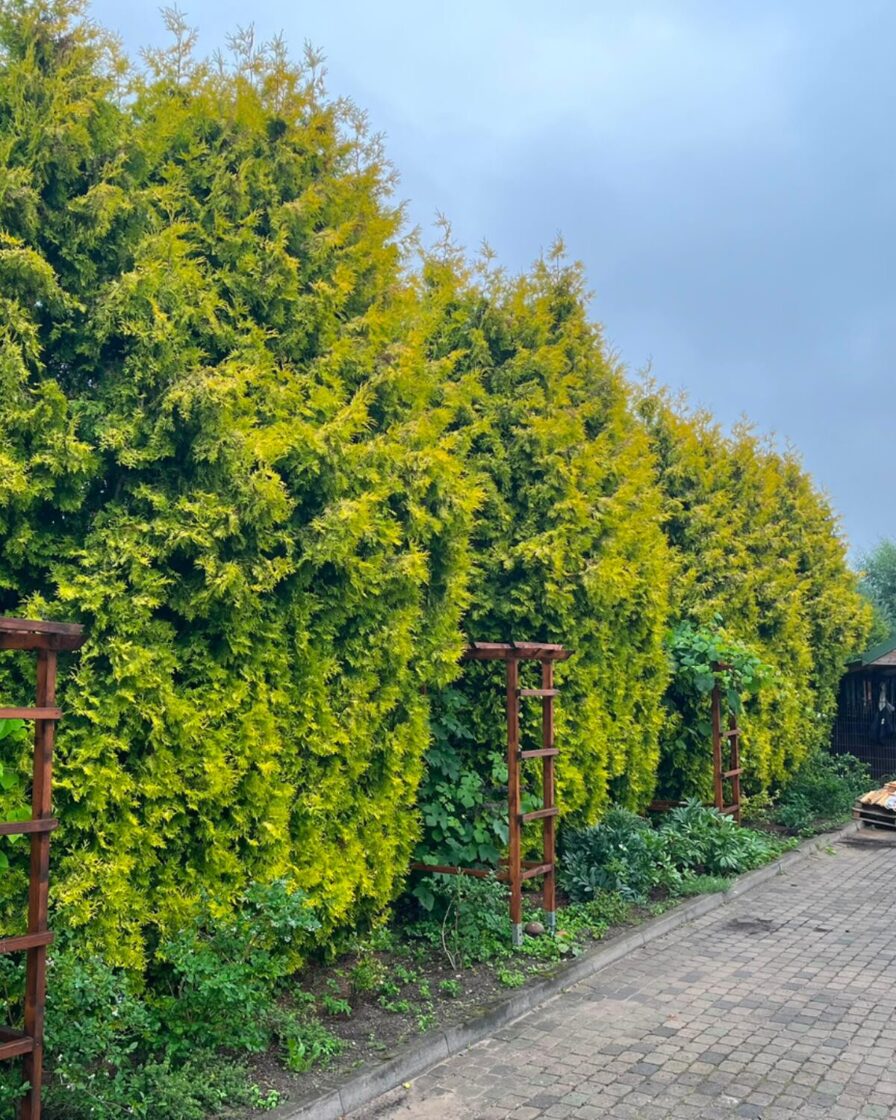 Before
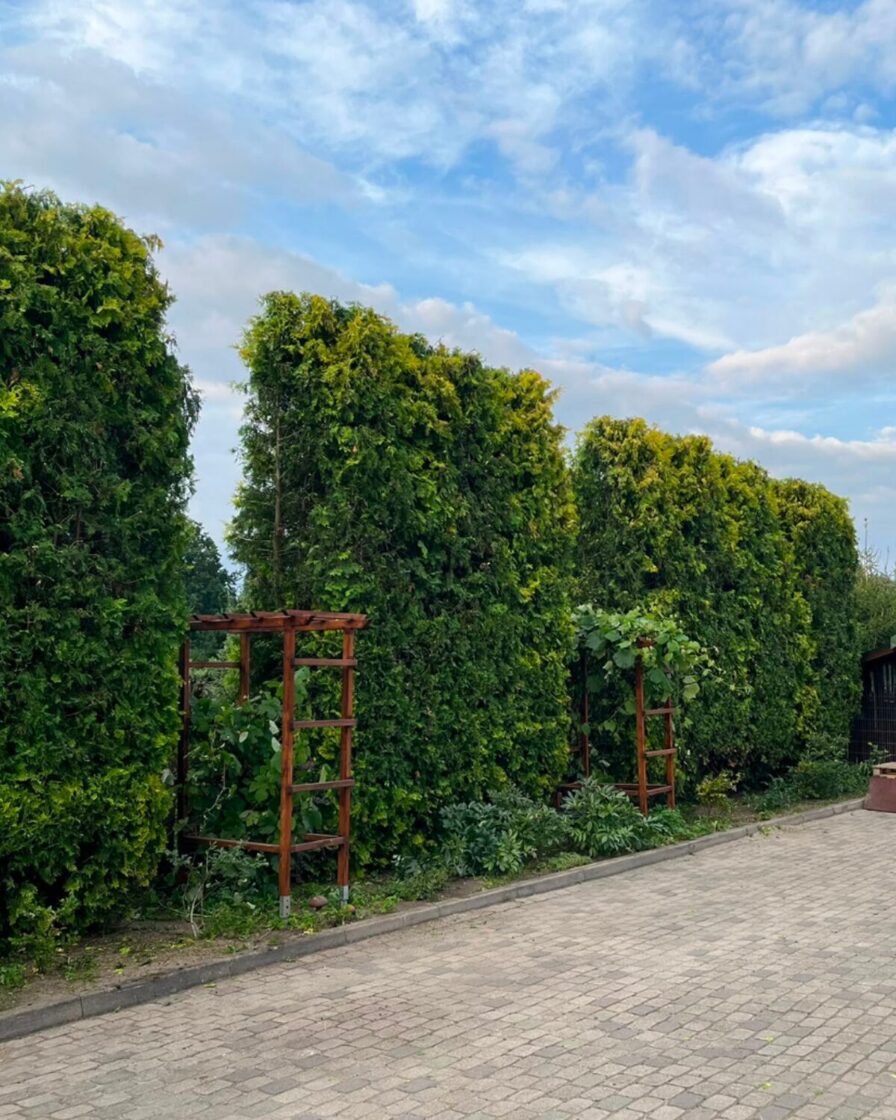 After
After
15 Brabant thujas, around 6 m high • hedge height levelled • front, sides and back shaped • green waste collected
A beautiful hedge starts with choosing the right plants and preparing the planting area properly. That is why we assess everything before delivery and before the work begins.
Share the location and briefly describe the work you need.
We assess the situation and clarify any important details.
Before starting, we agree on the price and a suitable time.
After the work is complete, we leave the area tidy and provide care recommendations.
Answers to common questions about thuja and other hedge planting, plant selection, watering, care and pricing.
The cost depends on the length of the hedge, the chosen plant variety, the size and number of plants, soil conditions, site access and any additional work required. Send us photos of the property, the approximate hedge length and desired height - we will prepare a preliminary estimate.
Smaragd thujas grow in a narrower shape and naturally stay neater, so they usually require less shaping. Brabant thujas grow faster and create a dense green screen sooner, but require regular trimming. We choose the best option based on the available space, the desired appearance and future maintenance requirements.
The spacing depends on the thuja variety, the size of the plants and the desired hedge density. In practice, thujas are often planted around 60-100 cm apart, but the exact spacing is determined individually for each property. Planting too closely increases competition for water and nutrients and can also reduce air circulation.
Container-grown plants can be planted from spring to autumn as long as the soil is not frozen or waterlogged. Root-balled plants are best planted in spring or autumn. Summer planting is also possible, but requires especially careful and regular watering.
Before planting, we assess the soil structure and drainage, remove turf and weeds, and dig individual planting holes or a continuous trench. If necessary, we improve or replace the soil. The plants are positioned at the correct depth without burying the root collar.
The distance should be chosen based on the expected width of the variety, the type of fence and future access for maintenance. There should be enough space to trim the hedge from the fence side and to prevent it from extending beyond the property boundary. If the hedge is planted near a neighbouring property or a street, local municipal requirements should also be taken into account.
Immediately after planting, the plants should be watered thoroughly so that the entire root zone is moistened. During the first few weeks and in dry weather, the hedge should be watered regularly and deeply. The frequency depends on the weather, soil and plant size - the soil should remain evenly moist without being constantly waterlogged.
Drip irrigation is not essential, but for a long hedge it helps distribute water evenly throughout the root zone and makes maintenance much easier during dry periods. Watering duration still needs to be adjusted according to the soil, weather and plant size.
This depends on the variety, the initial size of the plants, spacing, light conditions, soil and care. A fully dense hedge usually develops over several growing seasons. Larger plants provide privacy sooner, but cost more and require especially careful watering after planting.
The most common causes are a root zone that is too dry or too wet, poor drainage, planting too deeply, damaged roots, winter sun, wind or salt exposure. Some browning of older inner foliage can be natural, but rapid or severe browning should be assessed promptly.
Yes, we provide a 1-year guarantee on hedge planting work. Before starting, we explain the guarantee conditions, its scope and the requirements for ongoing care, as plant establishment also depends on watering, weather conditions and maintenance after planting.
Send us photos of your property on WhatsApp - we’ll assess the scope of work for free and prepare a preliminary quote.